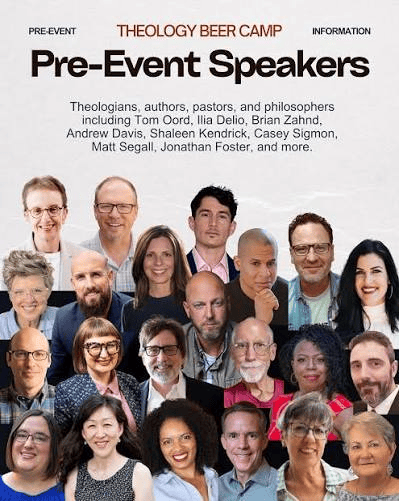
I’m heading off to Theology Beer Camp in two days, and “yes,” there is a thing called “Theology Beer Camp.” Theology plus beer — sounds amazing. I have never gone to this event before, but I hear it is a great time. I believe that in-person tickets are now sold out, but individuals can still buy tickets for on-line participation.
I will be doing a talk with Dr. Chris Hanson at the Theology Beer Camp “Pregame.” Chris (a pediatrician from Memphis, Tennessee) and I (a pediatric gastroenterologist from Salt Lake City, Utah) will be doing a talk titled “Open & Relational Theology and Vaccines.” Chris and I are pro-vaccination as we are pediatricians. We also are Christians who believe that God lures us to perform good science to keep children safe from infectious diseases.
I have been practicing my talk, but I also have done some reading from Charles Hartshorne’s book, Creative Synthesis and Philosophic Method.
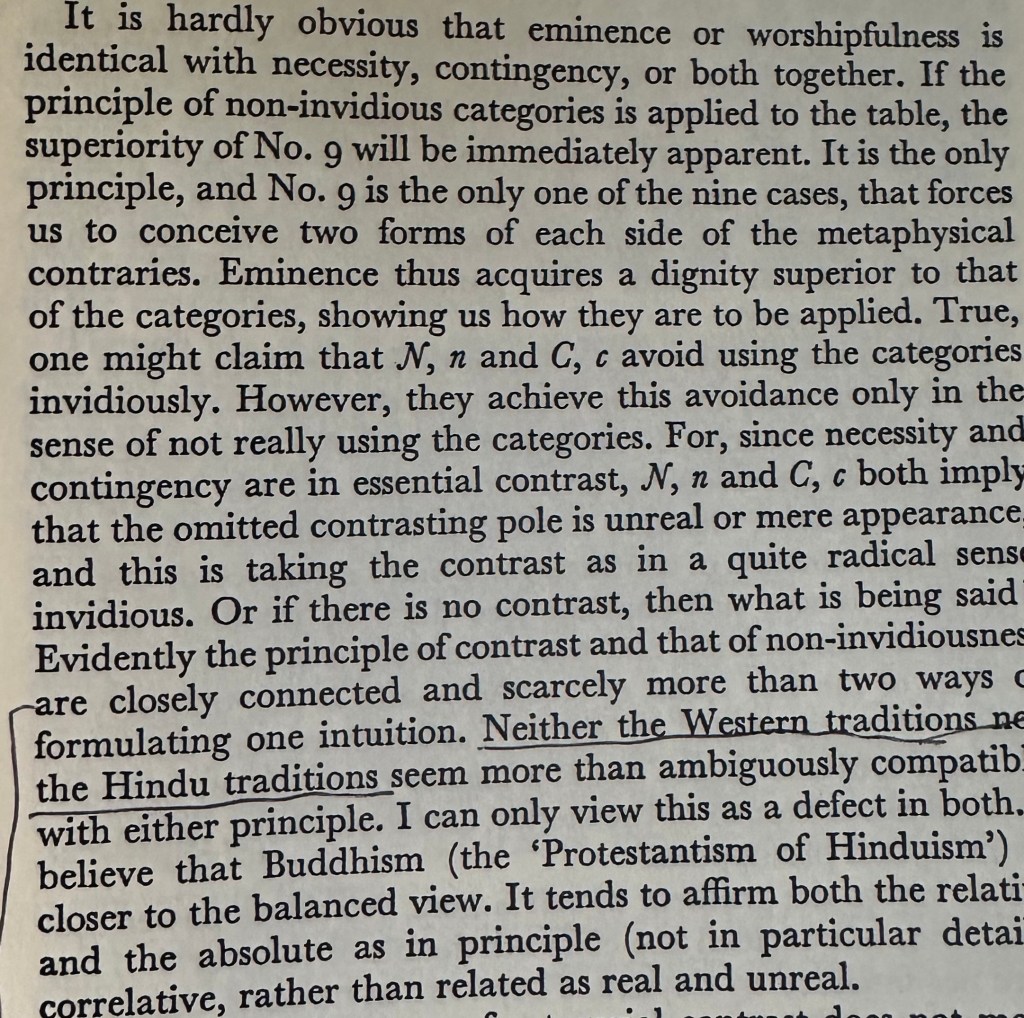
I thought his paragraph here was extremely interesting. I especially like the sentence in regard to Buddhism, “It tends to affirm both the relative and the absolute as in principle…” Hartshorne was mainly a philosopher of religion, so the reading here should not be offensive. He is simply performing comparative religious studies.
In short (and as part of a larger chapter), Buddhism may fit more into his concept of God.
What does he mean? In other writings, Hartshorne has described God as “dipolar” (not “bipolar” — that would be problematic). God is one God, but God has two natures.
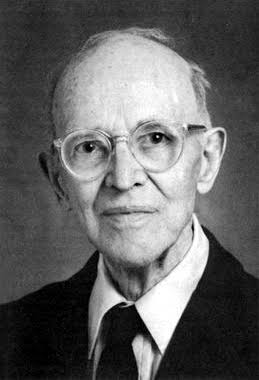
Charles Hartshorne
God is both infinite and finite.
God is both whole being (constant) and becoming (changing) in real time.
God is outside of time and also in real time.
Alfred North Whitehead had previously used the term “dipolar”, and it appears that Hartshorne and Whitehead may have come up with the term independently!
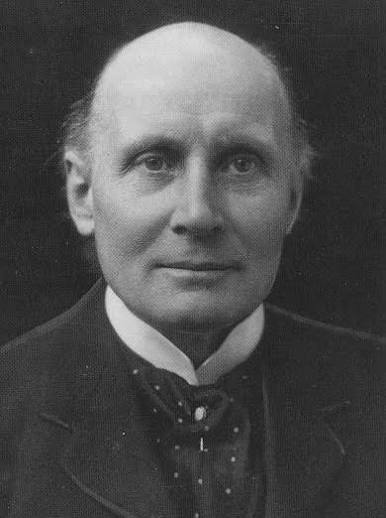
Alfred North Whitehead
Whitehead, in Process and Reality, writes, “Thus, analogous to all actual entities, the nature of God is dipolar. He has a primordial nature and a consequent nature.”
Moving on in the book, we find this beautiful passage.
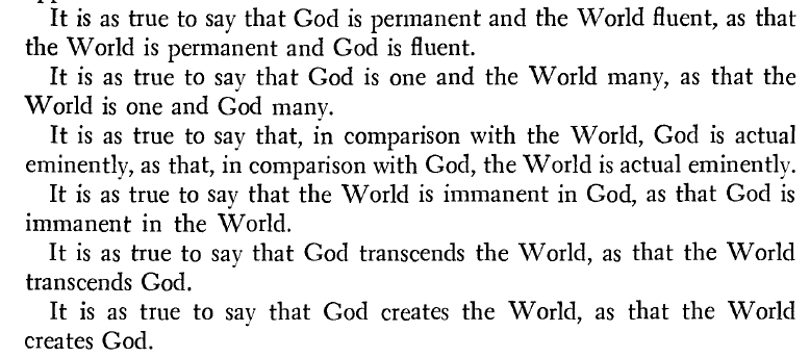
Thus, Whitehead and Hartshorne strike upon an interesting interpretation or perhaps interpretations of God. I tend to like such ideas and find them helpful for my daily walk as a Christian.
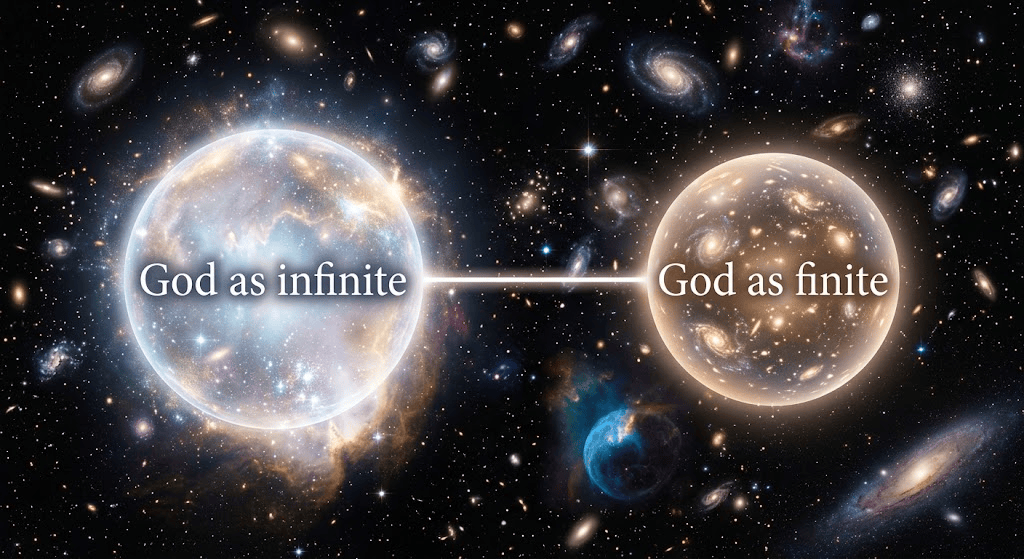
Going back to Hartshorne’s writings about Buddhism, I believe we can make some connections here. By the way, process theology and open & relational theology have much to say about this issue (see my previous posts).
I think he is saying that Christians tend to emphasize the “infinite” aspect of God at the expense of God’s real experience in the world. Likely, this belief has been influenced by Greek philosophy for better or for worse.
Hinduism, on the other hand, typically emphasizes change or cycles of impermanence. Certainly, there is Brahman, but Brahman is not always considered a personal or supreme deity. Brahman can be personal in the setting of the many faces of Hindu gods; however, it is unclear in Hinduism if change through time or the cycles of birth and destruction of all reality are guided. However, there IS permanence in the eternal cycle of birth and death, creation and destruction.
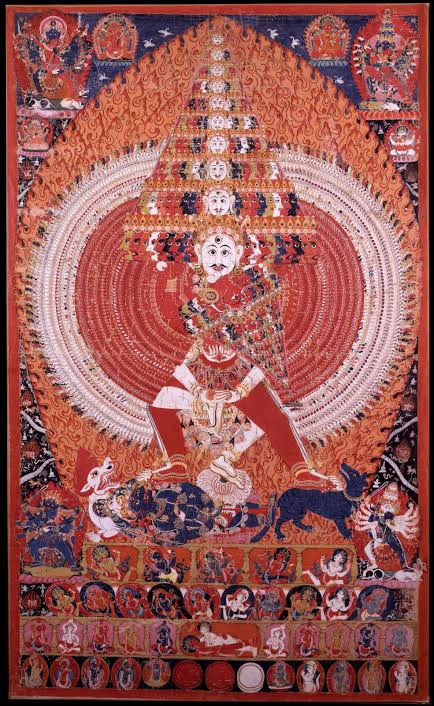
Image from the Rubin Museum
Buddhism…Well, that is different. I’m not a Buddhist. I’m also not Hindu.
I’m a Christian, but I think we can learn from other religions. Buddhism is essentially (in my opinion) about change and impermanence. Nothing lasts. The change is eternal. This is the finite pole. On the other hand, if the Buddha is interpreted as God who is eternally present and without beginning, then this is the infinite pole.
I think Hartshorne is saying the following: The dipolar nature of God, simply put, has an infinite aspect and a finite aspect. The “infinite” aspect of reality and thus God as described by all of the “omnis” of classical Christian theism (omnipotent, omniscient, omnipresent) lack a finite aspect or an ability to change. On the other hand, the “finite” aspect of reality and thus God as has been described in the realm of Hinduism (cosmology of infinite cycles, and thus, change) lack emphasis on infinite permanence.
Buddhism (again, I think Hartshorne is saying) has an infinite aspect (the deification of the Buddha as God or a manifestation of God) and a finite aspect (recognizing the preeminence of change in reality). However, this interpretation, I think, is based on the Mahayana tradition.
No Change + Change = God
This totally makes sense to me in the setting of the Christian Trinity. God is infinite. Jesus experienced the world as a finite being with the Holy Spirit continuing the finite experience of all humanity in the continuing progression of infinite time.
Fascinating ideas to consider whether one is Christian or not and whether one is religious or not.
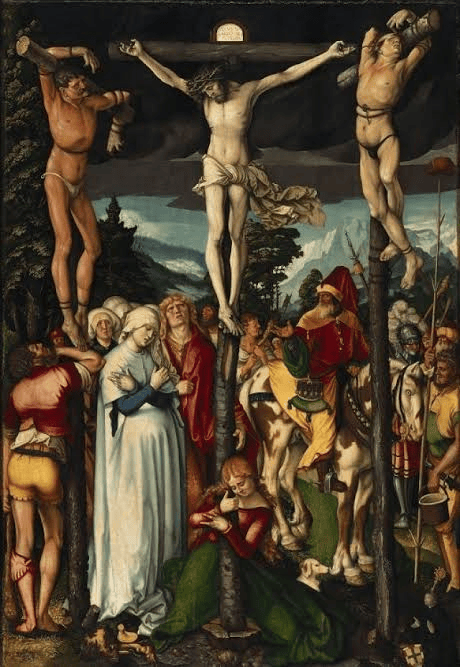
Top image: The Crucifixion of Christ by Hans Baldung
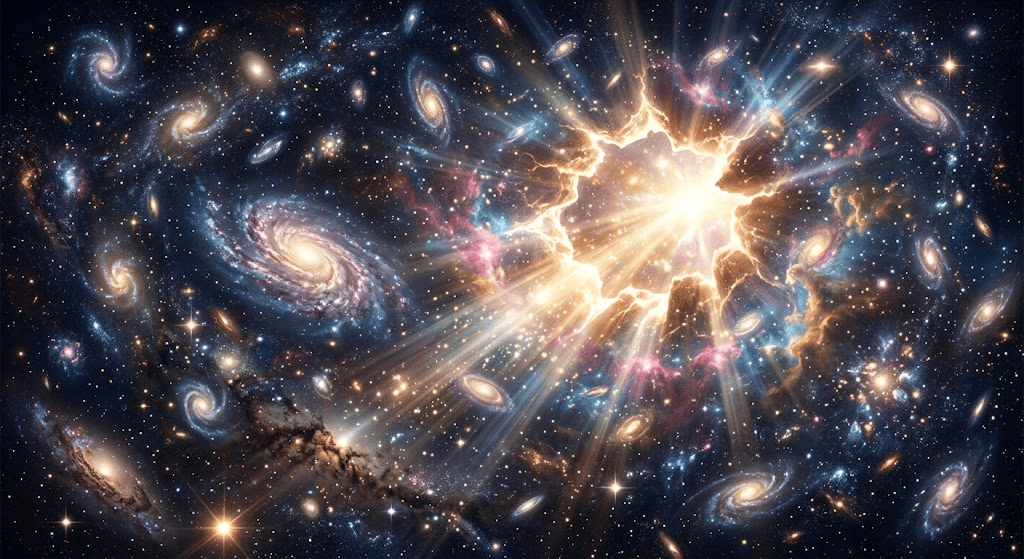
Bottom Image: I created this image on Gemini Advanced of the primordial nature of God breaking into the consequent nature of the universe.

