I’m about to start an inpatient call week at the hospital. Such weeks are always busy, so I likely won’t be able to write for the next 7-8 days.
When one thinks about process philosophy, it is best to think of reality as change itself. In other words, I may not concentrate on considering matter as a priority in reality as much as I may consider an emphasis on time or change. This perspective is hard to unsee once it is realized.
Alfred North Whitehead states this clearly in Process and Reality: “The world is thus faced by the paradox that, at least in its higher actualities, it craves for novelty and yet is haunted by terror at the loss of the past, with its familiarities and its loved ones. It seeks escape from time in its character of ‘perpetually perishing.'”
Thus, having spent part of last week training pediatric gastroenterology fellows from all over the United States, Mexico, and Canada (medical subspecialty trainees are called “fellows“), I came across two ideas showing the apparent eternal process of change. These two ideas are real-world in nature but do have metaphorical implications.
Gastroenterology is the major peer-reviewed journal in my field. Last month’s issue had a review titled “Evolutionary Medicine for Chronic Inflammatory Diseases of the Gut: More Than a Clinical Fantasy?” which is open access. Simply put, bacteria in the setting of gut inflammation (Crohn disease or ulcerative colitis) undergo evolutionary changes at the gene level that make them more virulent. This genetic change occurs within just a few generations of bacteria which encompasses only a quick period of time (hours, days). The genetic changes lead to phenotypic / structural changes of the bacteria, such as the ability to have enhanced motility. Understanding evolutionary change on a short time scale such as in the setting of the bacteria of the microbiome can allow for better therapies which control gut inflammation sooner rather than later. These findings demonstrate change. These findings emphasize time. If bacteria can evolve within quick generations, imagine the change that can occur over millions or billions of years.

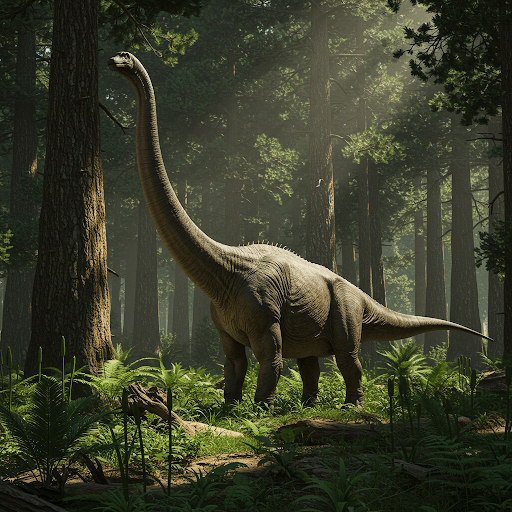
image from “Computed tomographic analysis of the dental system of three Jurassic ceratopsians and implications for the evolution of tooth replacement pattern and diet in early-diverging ceratopsians”, eLife.
Change at the genetic level. Change at the organelle level. Change at the organ level. Change at the species level. All involve time. This change is beautiful but can be terrifying.
On a mega-fauna / societal level, I found my time last week with pediatric GI training fellows somewhat of a continuing metaphor of change in gastroenterology and in the overall field of medicine. Pediatric subspecialists are undergoing significant stress currently, especially in the U.S. Most pediatric gastroenterologists work in university hospitals or academic medical centers. Funding for academic medicine to do research is becoming less and less available. Medical education for physicians is potentially losing touch with the fundamentals of physiology and pathology. Grade inflation for medical students is still problematic.

NIH data of funding of PhDs versus MDs over time
After medical school, burnout continues to be an issue for U.S. physicians. Burnout is associated with anxiety, depression, job change, substance abuse, and medical errors. Burnout is also associated with suicide which is a significant problem with physicians. My field, pediatrics, is suffering from a lack of people wanting to enter the field, likely due to education debt and the relatively low salaries of pediatricians compared to most medical specialties. My subspecialty (pediatric gastroenterology) requires many more years of extra training but suffers from lower salaries long term despite taking care of more complex children.
Again, all of this data points to change. This change fundamentally involves time. It is terrifying, but I think there is potential for beauty.
While I was teaching the pediatric gastroenterology fellows last week, I was awed by these young people who had goals to fix these issues at the community, academic, and political level. The sick child comes first in all settings. However, addressing the need to care of children at the national and international level will take ingenuity from parents and pediatricians working together. It will involve emphasizing child health in our country. It will involve improving public health and public knowledge about childhood diseases. It will involve improving basic understaning of science at the public level.
I was most impressed that these pediatric GI fellows from across North America wanted me (as well as other faculty) to talk about burnout prevention and resilience. My specific talk was titled “Balancing Work and Life?” It seemed to go well.

me…talking
This change (similar to evolutionary changes in the microbiome) is undergoing evolutionary pressure from the societal level. Young trainees see the underlying issues affecting child health. My generation became caught in the beginning of these changes and got lost. This generation(s) behind me are seeing the end results and want to fix the problems!
The “inflammation” (whether in the gut / microbiome or in pediatric health / society) will lead to change. It may end up worse. It may end up better. The changes may be effectively neutral. However, there will be change. My experience of teaching young pediatric GI fellows last week is that we have a chance for good.
By the way, my talk did discuss TWO THINGS that prevent burnout in academic medicine: These two things have been described in the literature.
- Teaching at any level: Faculty, fellow, resident, medical student, college student, high school, church / mosque / temple / synagogue, community group — they all prevent burnout in academic medicine.
- Learning something OUTSIDE of medicine: Here is where my theology training has been really wonderful. Thinking and writing about theology helps prevent my potential for burnout

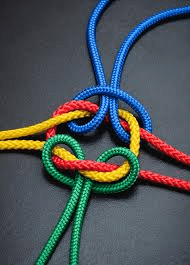
image created by Gemini Advanced































 Phi-The-Sci: Equilateral Musings