There is a great new #openaccess article in Gastroenterology that explains why exercise makes the microbiome healthy. It is titled, “Exercise, the Gut Microbiome and Gastrointestinal Diseases: Therapeutic Impact and Molecular Mechanisms” by Hawley, et al. Interestingly, prior research from 2013 has shown that professional rugby players have much more diverse and healthy microbiomes compared to control individuals.
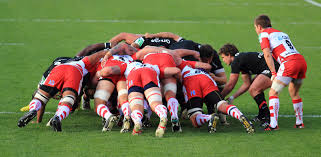
We are now beginning to understand why exercise helps promote a healthy human microbiome. Per the review article above, skeletal muscles (when used in exercise) seem to promote the formation of Interleukin-6 (IL-6) which is involved in controlling inflammation throughout the human body. Simply put, human skeletal muscle seems to act like an endocrine organ, such as the thyroid or pancreas, during exercise as it releases IL-6 and other helpful molecules that control gut inflammation. A healthy amount of inflammation to prevent bad bacteria from interacting with the gut and to allow the intestinal barrier to not absorb pathogenic bacterial toxins then leads to a healthy gut microbiome. A healthy gut microbiome is very diverse in terms of its bacterial types.

Image from the Gastroenterology article
Maintaining a healthy microbiome not only may prevent some problematic gastrointestinal symptoms such as chronic constipation or abdominal pain (as seen in irritable bowel syndrome), but it may also be preventitive in reducing the risk of Crohn disease or colon cancer.
So skeletal muscle –> intestinal cells –> the gut microbiome… There seems to be a large amount of communication here. Is this an example of panexperientialism? From a philosophical and theological standpoint, panexperientialism means that all entities from the very smallest to the very largest have some degree of experience.
An electron experiences mass, spin, and charge. A singular human experiences birth, the spectrum of emotions and life events, and death. A galaxy experiences gravity, star birth, star death, black hole centers, and perhaps even dark matter and dark energy in a manner that we do not understand well.
All entities experience. The experience can go top down (the galaxy experiences our planet and the humans on it while each human experiences the effect of every atom or electron). The experience also goes bottom up (the effects of individual electrons or atoms affect the experience of the human and our planet which affect the experience of the Milky Way).
I am not necessarily a believer in panpsychism in which all individual small entities (quarks, electrons, atoms) have “drops of consciousness” which level up in complexity to humans. This idea seems scientifically difficult if not impossible to prove. I do think all entities have experience.
The other aspect of panexperientialism that must be considered is that all entities potentially experience each other. In other words, all entities experience, and all entities experience each other. This idea can be formulated philosophically and perhaps theologically when considering quantum entanglement. Quantum entanglement definitely has an objective reality. The potential subjective ideas behind the physics of quantum entanglement needs to be worked out.
In the setting of the journal article above, there does seem to be some panexperiential process occurring between two human organ systems (skeletal muscles and the lining of the human intestinal tract) in response to exercise. Skeletal muscle and the intestinal tract — two human organ systems that are quite isolated from each other except for the sharing of blood and its molecules. Skeletal muscles cannot directly absorb the food that we eat. Our gastrointestinal tract cannot contract and relax when we work out. Yet, these two very different organ systems interact with each other.
It becomes more fascinating when this same interaction involves not just these two human organ systems but also the microbiome consisting of bacteria, viruses, fungi, archaebacteria, and all sorts of other small things. There is a shared experience in human exercise between different kingdoms of life.
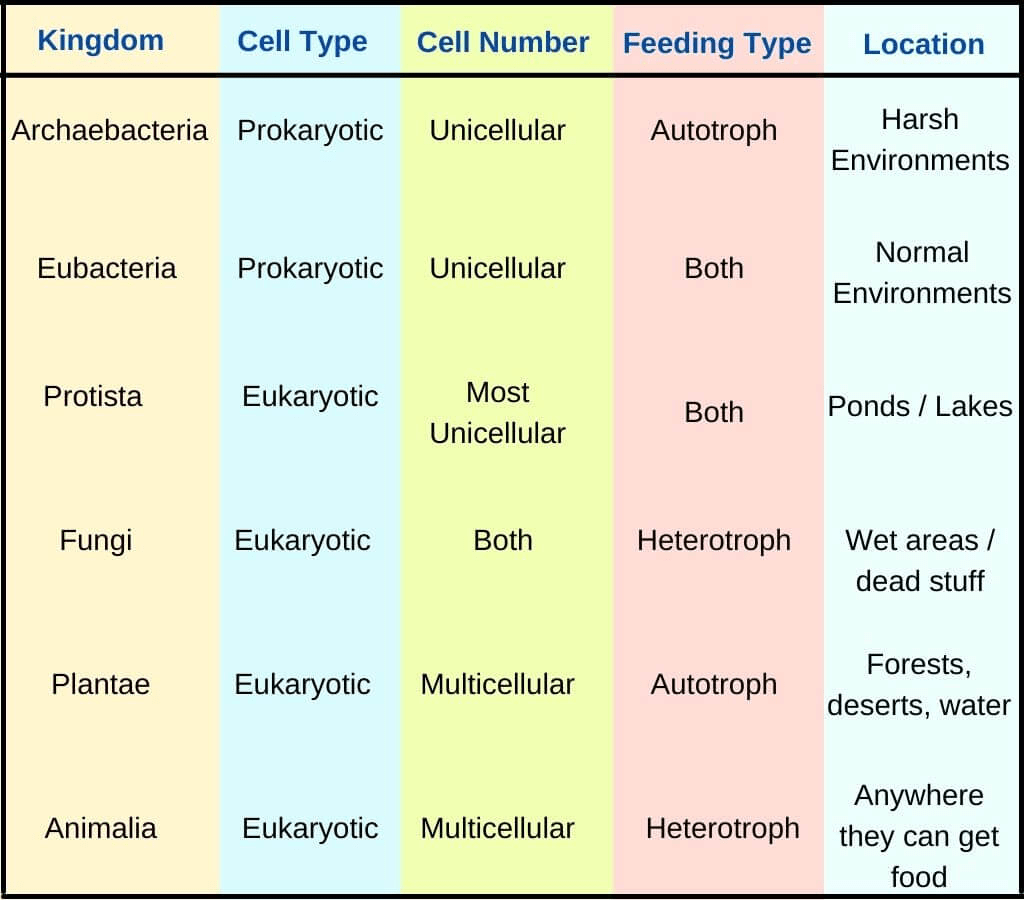
The six kingdoms of life from SmartClass4Kids
I think theology can learn from science when reading articles such as this. If God desires creativity, then God is love. From a human perspective, love and creativity are deeply intertwined. If God is the ultimate form of love and also the lover of creativity, then love and creativity are ultimate desires (and perhaps goals) of God through time.
Skeletal muscle, the gastrointestinal tract, and the microbiome seem to have the ability to be creative in order to make the individual human healthier. Perhaps this interaction subjectively demonstrates some type of universal striving for love that warrants more theological study.

image created by Gemini Advanced
 Phi-The-Sci: Equilateral Musings